Why First Dates Feel Like Job Interviews (And What to Do About It)
You sit across from someone you've never met. You ask them what they do. They ask you what you do. You both nod at the answers, slightly performing interest. Then come the next set of questions, predictable enough that you've answered them a hundred times before.
This is supposed to be the start of something romantic.
It rarely feels that way.
If first dates have started feeling more like job interviews than the beginning of anything real, you're not imagining it. Something has structurally shifted in how we meet people. And it's worth understanding why, because it changes what you can do about it.
The Format Itself Is the Problem
A traditional job interview has a specific structure. Two strangers sit across from each other for a limited time. One person asks questions. The other performs competence. Both are aware they're being evaluated against criteria. Both are trying to seem appealing without seeming desperate. There's a quiet assumption that any tension or awkwardness is bad and should be smoothed over.
Now look at the standard first date.
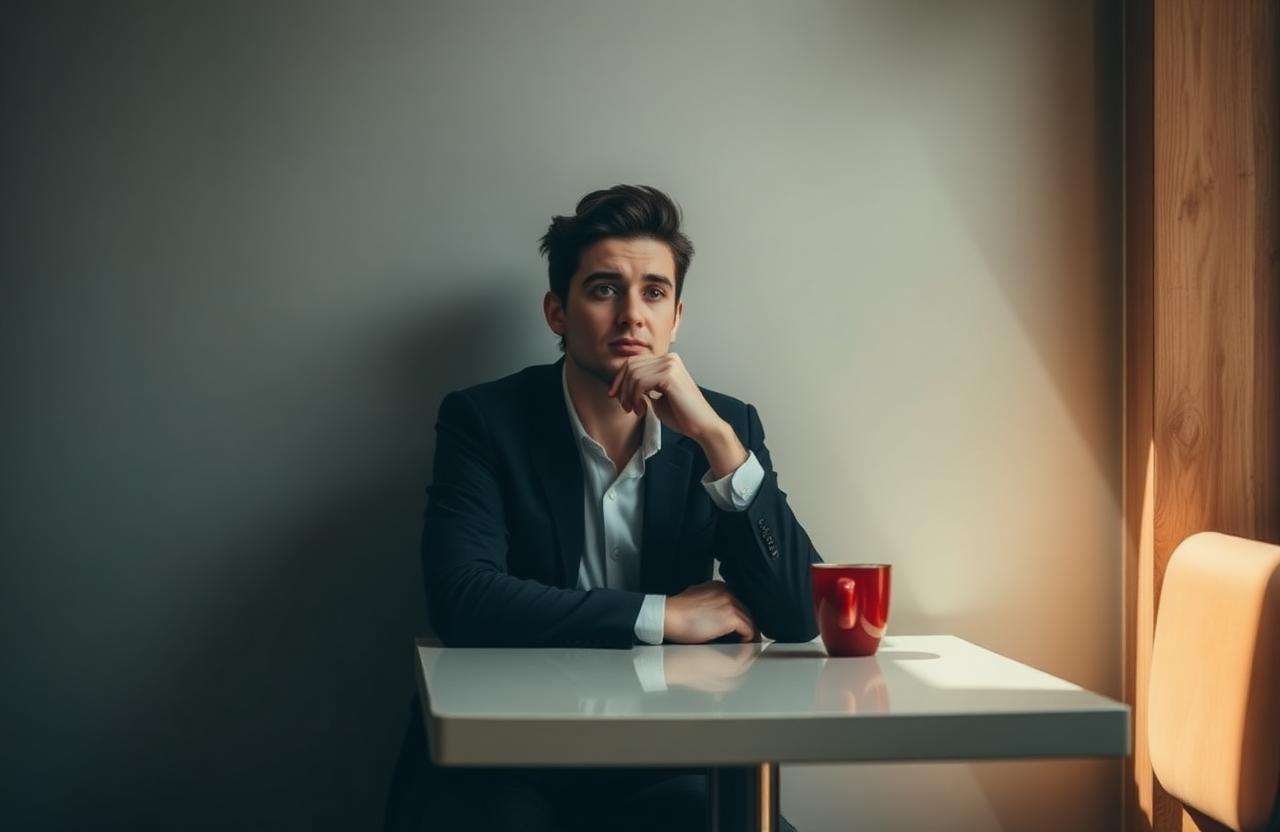
Two strangers meet at a coffee shop or a bar. They sit across from each other. There's a tacit time limit, usually around an hour. They take turns asking questions and offering polished answers. Both people are aware they're being evaluated. Both are performing a version of themselves designed to be appealing. Awkward silences feel like failure.
These are the same format. The only thing that changes is what's at stake.
This is not how genuine connection happens between two people. But it is exactly how a hiring decision happens. And the more dating has been routed through apps that operate like applicant pipelines, the more first dates have started to mimic the interview format that follows.
Why It Happens to Smart People First
People who interview well at work tend to feel this the most. The same skills that helped you land good jobs, articulating your strengths, anticipating questions, performing under evaluation, kick in automatically on a first date.
You become the candidate. The other person becomes the hiring manager. You answer with polish. You ask questions that signal interest without revealing too much. You're warm, but measured. Engaged, but unbothered.
This is what professional culture has trained you to do in every high-stakes meeting with a stranger. So you do it on dates too. And the more skilled you are at it, the less the other person actually sees you.
The cruel part is that this is often happening on both sides at once. Two articulate, accomplished people performing their best professional selves at each other across a cocktail table, both wondering why nothing feels real.
What the Format Actually Selects For
Job interviews reward a specific set of skills. Composure under pressure. Articulate self-presentation. The ability to recall achievements and frame them well. Comfort with structured back-and-forth. A pleasant but contained demeanor.
These are not the skills that build a relationship.
The skills that actually predict whether two people can build something lasting are different. Emotional vulnerability. The ability to be present without performing. Comfort with silence. Honest expression of uncertainty or feeling. Curiosity that goes beyond the surface. The capacity to be genuinely affected by another person.
Most of these skills are penalized in an interview format. Being vulnerable in a job interview is a mistake. Showing uncertainty is a weakness. Allowing silence to sit is uncomfortable. So the format actively filters for the wrong qualities. The person who would make the best partner often interviews the worst. The person who polishes well may give you very little to actually build on.
This is why so many first dates that feel "fine" lead nowhere, and why occasional first dates that feel genuinely strange or unstructured sometimes turn into something real.
The Pre-Date Damage
A lot of the interview dynamic is set before the date even starts.
By the time you sit down with someone you met on an app, you've already done a significant amount of evaluation. You've reviewed their photos, their job, their location, their bio, possibly their LinkedIn. They've done the same to you. Both of you have built mental dossiers.
The first date, in this context, isn't a first meeting. It's the in-person interview round. The evaluation has already begun. You're showing up to confirm or disprove a hypothesis you've already partially formed.
That framing alone is enough to drain the meeting of spontaneity. You're not discovering someone. You're verifying them. And they're verifying you. There's no room for surprise, because surprise has been engineered out of the process by the time you arrive.
What a Real First Date Could Be
There's nothing inevitable about the interview format. It's a cultural default, not a requirement. And it can be refused.
The most memorable first dates tend to share a few characteristics. They involve doing something rather than just sitting and talking. They allow for sustained silences without panic. They include moments of genuine surprise, where one person says something the other didn't expect. They feel less like a back-and-forth of polished answers and more like two people noticing each other.
The shift, when it happens, is usually triggered by one person breaking the format first. Asking a question that isn't on the standard list. Admitting they're nervous. Saying something honest that doesn't optimize for impressiveness. Choosing an activity that doesn't lend itself to interview seating.
Once one person breaks the format, the other usually does too. Almost no one actually wants to be on an interview. They've just been trained to expect it.
How to Actually Break It
If you want first dates that feel less like auditions, you have to make different moves. Not big ones. Just enough to break the default.
Pick an activity, not a conversation. Coffee and drinks are interview seating. Walking, browsing somewhere visual, doing something with your hands, watching something together. These formats let connection happen between the structured moments instead of through them.
Ask questions that don't have rehearsed answers. "What do you do" has a rehearsed answer. "What's something you've changed your mind about recently" doesn't. The second question tells you who someone is. The first tells you their resume.
Be the one to risk honesty first. Vulnerability creates safety. If you say something honest and slightly unguarded, you give the other person permission to do the same. This single move breaks the interview format faster than anything else.
Pay attention to your body, not just your thoughts. Are you calm or are you on edge? Do you feel like yourself or like you're performing? These responses are more reliable than the analysis you're doing about whether they meet your criteria.
Let silences sit. Interview silences are uncomfortable because someone is being evaluated. A silence between two people who aren't evaluating each other can feel completely fine. Most of the dating world has forgotten what that's like, but you can model it.
Forget about evaluating them. This sounds counterintuitive, but it's the most important shift. If you stop trying to figure out whether this person is right for you and instead try to be present with them, you'll get better information than any amount of probing questions could give you. You'll feel the answer, not deduce it.
Where synch Comes In
This is part of why synch is built the way it is.
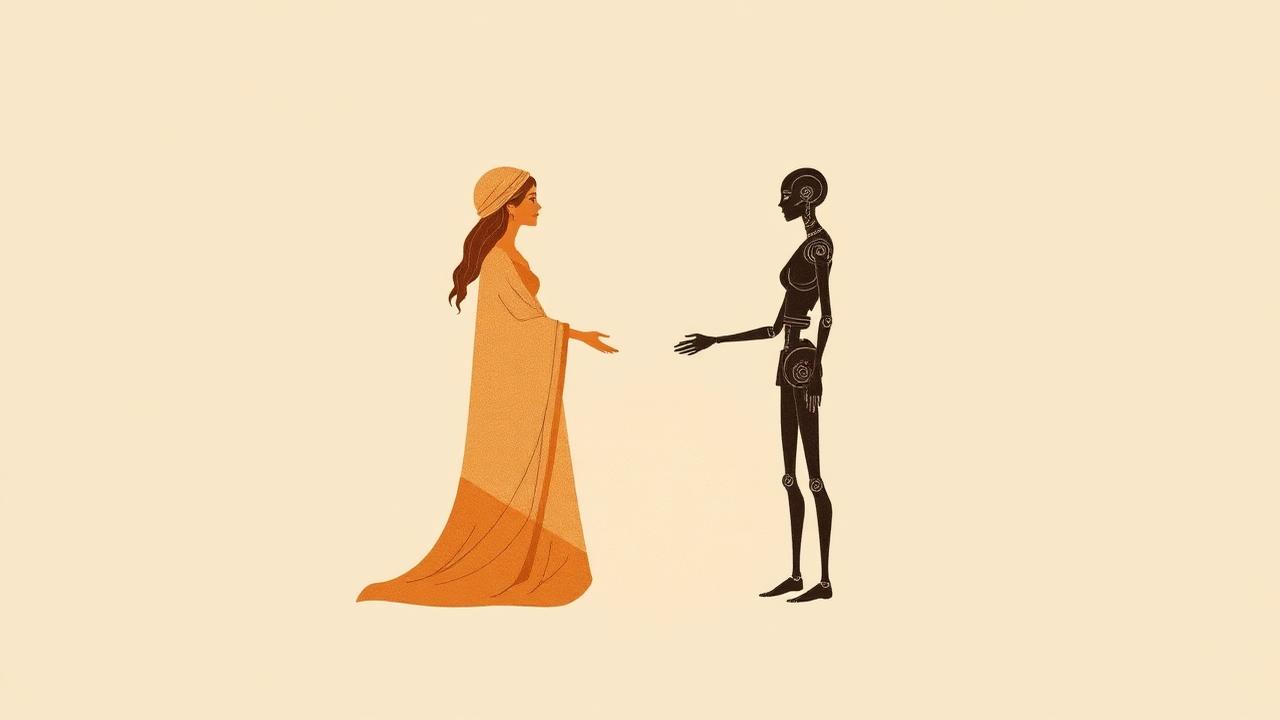
By the time you actually meet someone, the getting-to-know-you phase has already happened in a different format. Through Lily, synch's AI coach, both of you have already done the slow, real work of articulating who you are, what you value, and what you're actually looking for. Not in performance mode. In honest mode.
That changes what a first date can be. It doesn't have to function as the interview round. The screening is done. The compatibility check is done. What's left is the part that actually matters: do these two people feel like themselves around each other?
That's the question first dates were supposed to answer. The interview format obscured it. synch was built to give it back.
Frequently Asked Questions
Why do first dates feel so awkward?
How do you have a good first date?
What should you talk about on a first date?
Why do I freeze up on first dates?
Meet your AI matchmaker
Start a conversation with Lily and meet someone you would genuinely connect with.
Get Started